
インドの布とわたし | 山田桂子|2026年6月
2026.06.01
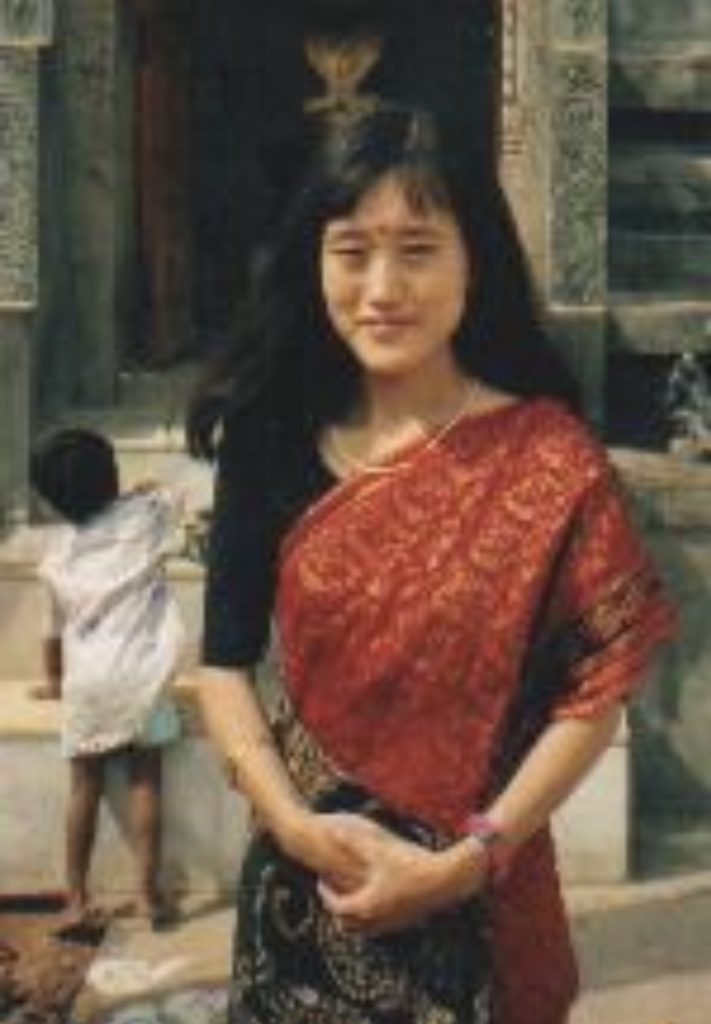
私がインドの布と本格的に出会ったのは、1992年から3年間のインド留学時代です。当時、インドの女性の日常着は民族衣装で、私もほぼ毎日民族衣装を着て過ごしましたが、その中でもっとも魅了されたのはサリーでした。
自分で最初の一枚を買った時のことは今でもよく憶えています。同じアパートの隣の部屋に住んでいた年下の女子大生が、彼女たちがよく行くというバザールに連れて行ってくれました。
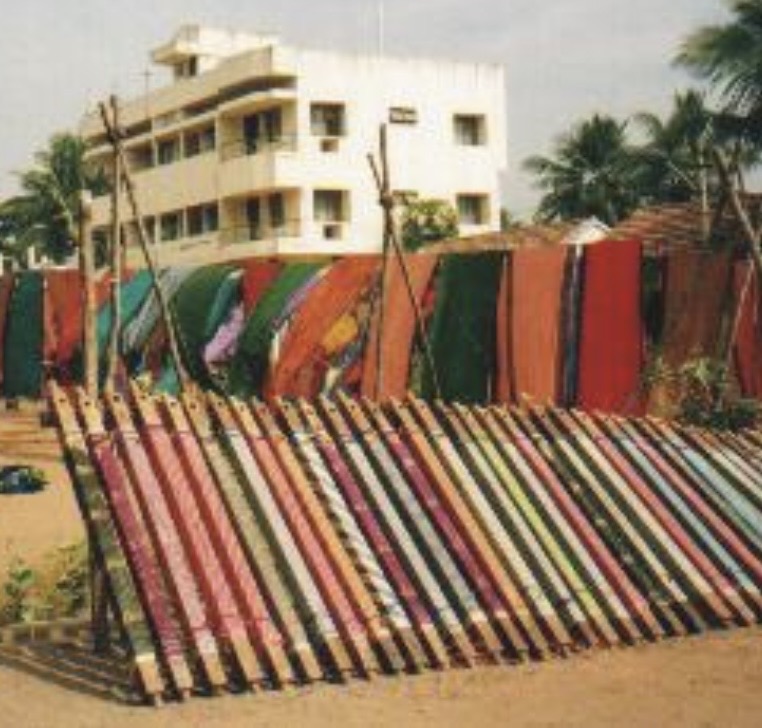
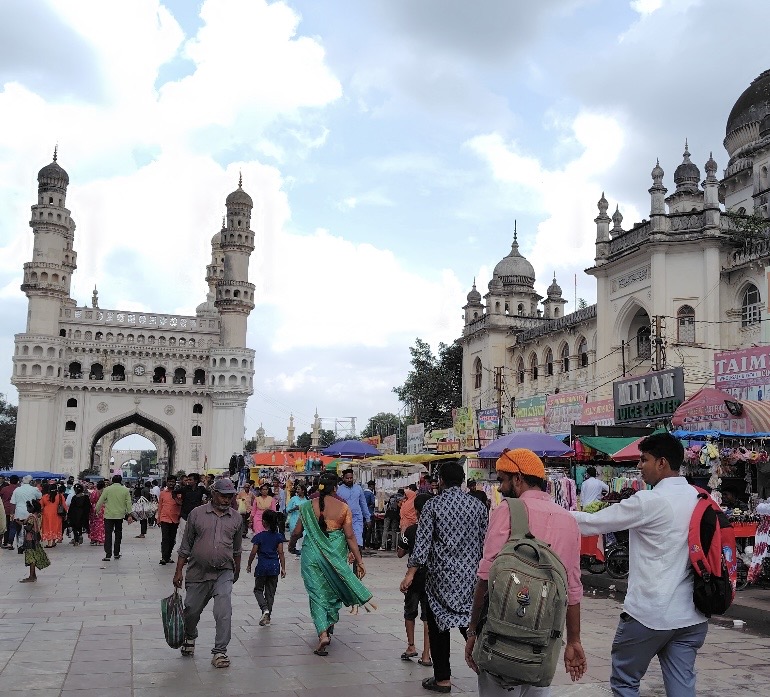
冬でも太陽は暑く眩しく、バザールは色とりどりの民族衣装をまとった、大勢の女性たちで活気にあふれていました。路上に山のように積まれた布の中から、私が買ったサリーは、白いインド綿の布地の上にピンクの花柄の小紋がいっぱいに広がるブロック・プリントで、暑い日でも涼しく、柔らかで軽やかな着心地がする普段着でした。
※画像をクリックすると詳細が表示されます
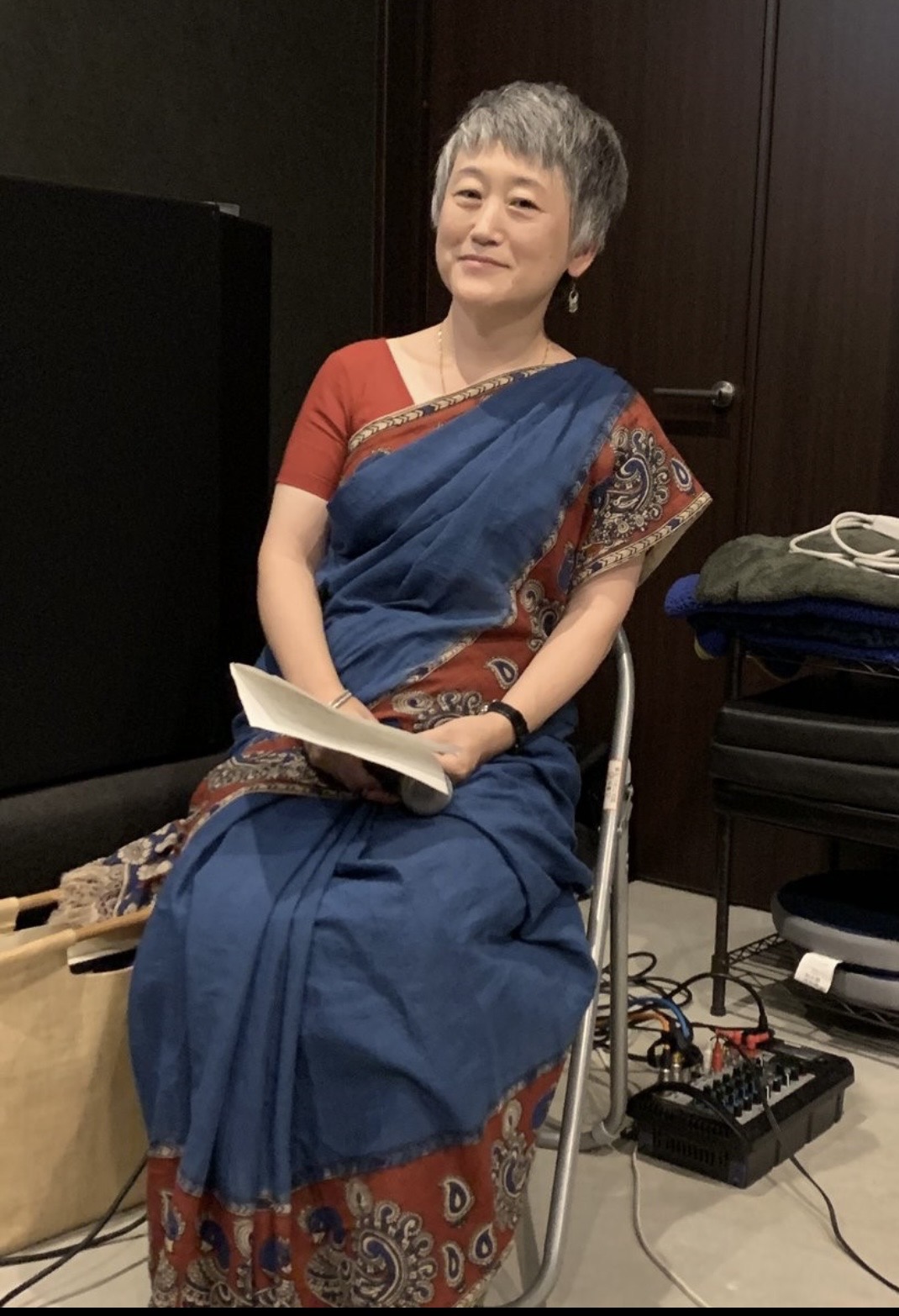
サリーは縦1.2メートル、横5メートル以上ある大きな一枚布で、その大きさだけでもほかの民族衣装にはない迫力があります。着用には多少技術が必要ですが、上手に着ると全体がマーメイド型のドレスのようになって、フェミニンな尊厳を感じさせる艶やかで晴れやかな布といっていいでしょう。
インドは、村ごとに独特の染織文化があるといわれるほどで、サリーの色や柄、素材、デザインの豊富さには目を見張ります。当時は職人の手染め・手織りが主流のため、同じサリーを2枚見ることは一度もありませんでした。街で気に入ったサリーを見かけたら、迷わずすぐに買わなくてはなりません。二度と手に入らないからです。
そうやって自分が買ったもの、また友人から贈られたものなどがどんどん増えて行き、帰国する頃には100枚以上になっていました。残念なことに帰国時には、集めた書籍を優先しため、その多くを手放しましたが、持ち帰った20枚ほどの中で特に大事なもの、それがパトラとカラムカーリーでした。
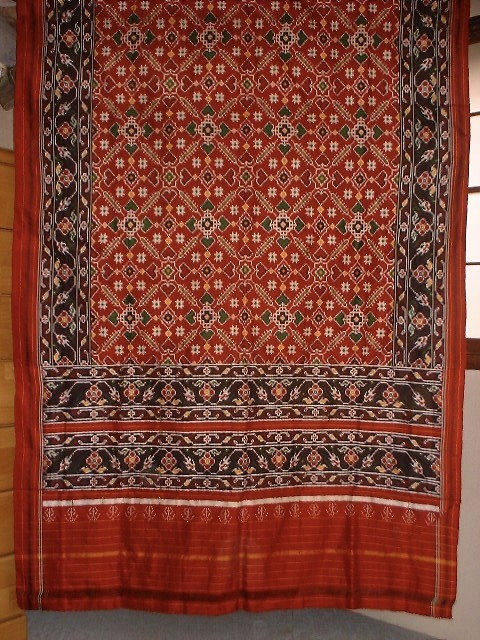
パトラはグジャラート地方で有名な経緯絣ですが、私が住んでいた地域に隣接するポーチャンパッリ村もインド有数のブランド絣の産地で、地域認証『GI』(※1)を持っています。パトラはその一種で、現在東京国立博物館が所蔵している古渡とうりふたつのものもあり、数百年経っても変わらぬ技術で伝承されていたことがわかります。
※画像をクリックすると詳細が表示されます
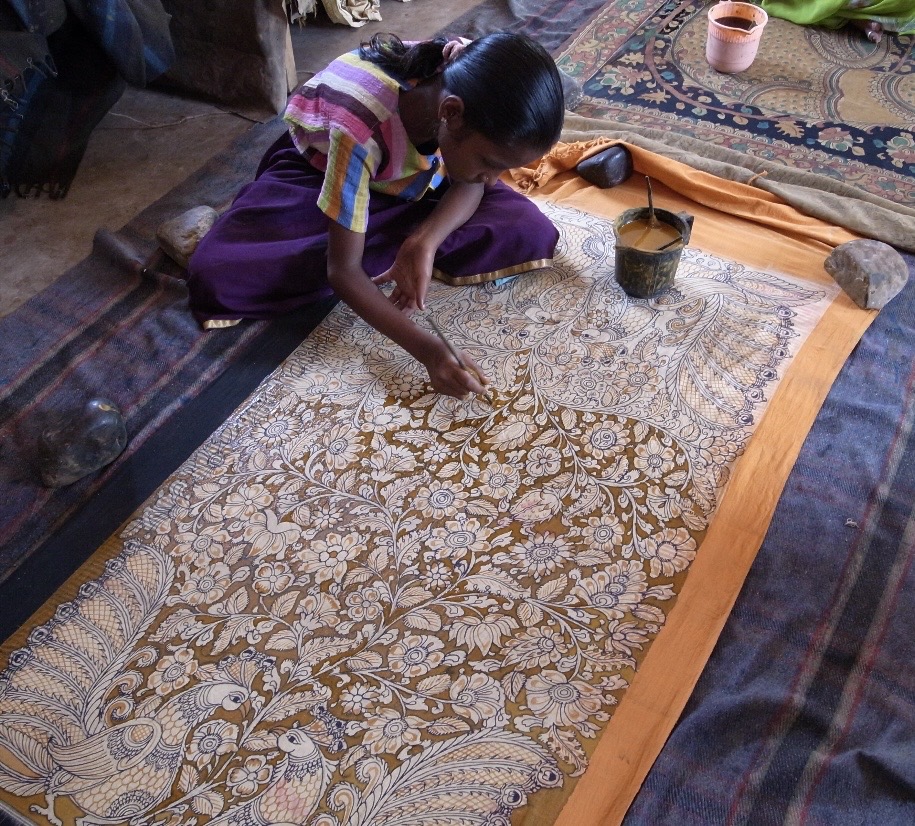
カラムカーリーは、カラムという独特のペンを用いる手描き(カーリー)というのが名前の由来です。歴史的にはイスラーム美術の影響を強く受けて発展した工芸で、アラベスクと呼ばれる草木文様の部分にはブロック・プリントも使われました。天然媒染を含む伝統的な染色工程の中で、ヒンドゥー教では神聖な牛の糞(※2)が用いられ、その染めから来る独特の匂いと、美しい赤と黒に特徴がありました。
カラムカーリーは実はサリーよりタペストリーとして用いられることが一般的です。数あるデザインの中でも動植物が生き生きと描かれる生命樹は、繁栄や幸福を呼ぶとして人気がある特別なモチーフです。生命樹には人を惹きつける不思議な魅力があるのでしょう。私が一番大切にしていたタペストリーの最後の一枚は、たまたまそれを見せた友人が魅入ってしまい、譲ってほしいと熱心に拝み倒されてついに手放してしまいました。
留学していた1990年代はインドの経済自由化が始まったばかりで、伝統的な染織は、まだ日常生活の中に溢れていました。しかし、それでも昔ながらの技術や産地は廃れつつあり、政府や篤志家から援助や保護を受けていました。30年以上経った今、パトラの製作は職人からファッションデザイナーの手に移り、かつての精緻な経緯絣を昔と同じ庶民のバザールで見かけることはなくなりました。一方カラムカーリーは安価なお土産品が量産されるようになり、かつての赤と黒はカラフルな色彩に、イスラーム風のデザインはヒンドゥー教の物語絵に変わり、独特な匂いは自分の記憶の中でしか感じることができなくなりました。
※画像をクリックすると詳細が表示されます
グローバル化の中でインドの女性たちは民族衣装を着る機会が減り、サリーは日本の着物のような非日常着になりつつあります。私自身、インドに行っても洋服を着ることが多くなりました。インドの布に夢中だった日々は過去のものですが、現在ではインド以外の国々を旅した時に、現地の博物館や美術館で思いがけず過去の名品と出会ってハッとすることがあります。普段は忘れていますが、昔出会った素晴らしい布の数々が思い出されて、無性に懐かしくなるのです。
寄稿:山田桂子 |インド史研究者・茨城大学教授 | 2026年6月
(※1) インド政府推奨「GI」とはGeographical Indicationの略で、特定の地域を原産地とし、その土地の気候や伝統などの特性に起因する高い品質や評価を持つ産品を「地域認証」として保護・推奨する知的財産制度です。
(※2) 牛の糞は、ヒンドゥー教で神聖とされる牛のもので、糞で穢れを浄める浄化儀礼などがあります。
■次回、Jounal 2026年7月■
『花と布』
篠原君子 Kimiko Shinohara
(フラワーコーディネーター・表装額作家)
■Jounal 2026年8月■
『紅型が語るコザの物語』
金城宏次 Hiroji Kinjho
(紅型作家)
Indian Textiles and Me
By Keiko Yamada
My encounter with Indian textiles began during the three years I spent studying in India from 1992. At that time, traditional dress was still part of everyday life for Indian women, and I too wore local garments almost every day. Among them, it was the sari that captivated me the most.
I still clearly remember the first time I bought my first sari. A younger female student who lived next door to me in the same apartment took me to a bazaar that she often visited with her friends. Even in winter, the sun was hot and bright and intense, the market was alive and filled with many women dressed in colorful traditional clothing. Among the piles of textiles stacked high along the roadside, I chose a brock print sari with pink floral patterns spread all over a white Indian cotton fabric. It was a comfortable everyday garment—cool even on hot days.
This sari is a large single piece of cloth measuring about 1.2 meters wide and over 5 meters long, and its sheer size alone gives it a presence unlike any other traditional garment. Although it takes some skill to drape properly, when worn well it resembles a mermaid-style gown, conveying both elegance and feminine dignity. India is often said to have a distinct textile tradition in every village. The diversity of sari colors, patterns, materials, and techniques is astonishing.
At that time, most saris were still handwoven and hand-dyed by artisans, so I never saw two identical saris. If you see a sari you love in town, you must buy it immediately without hesitation, because you may never get a chance again. That’s how the number of items I’d bought myself or received as gifts from friends kept growing, and by the timeI returned home, I had over 100 of them. Unfortunately, when I returned home, I had to prioritize the books I collected, so I parted with most of them, however among the twenty or so pieces I kept and brought back, themost treasured were Patola and Kalamkari textiles.
Patola is a celebrated double ikat textile traditionally associated with Gujarat. Near the region where I lived was Pochampally, another renowned weaving center known for its ikat tradition and now protected under India’s Geographical Indication (GI) system. Some examples I encountered closely resembled historical textiles now held in the collection of the Tokyo National Museum, demonstrating how remarkably these techniques have been preserved over centuries.
Kalamkari takes its name from the Persian words kalam (pen) and kari (craftsmanship), referring to hand-painted textiles created with a special pen-like tool. Historically, this craft developed under the strong influence of Islamic art, and block printing was also used for the plant and tree motifs known as Arabesques. Traditional dyeing processes sometimes included the use of cow dung, derived from cows regarded as sacred in Hindu culture, as part of the preparation and mordanting stages.
The resulting textiles were known for their distinctive scent as well as their rich reds and deep blacks.
In fact, Kalamkari textiles are more commonly used as tapestries than as series.
Among the many motifs, the Tree of Life – with its vivid depictions of flora and fauna – is a special motif that is popular for its association with prosperity and happiness. Perhaps the Tree of Life has a mysterious charm that draws people in. The last of my most treasured was one that a friend happened to see, she was so enchanted by it that she begged me to sell it, and I finally gave it up.
When I lived in India during the 1990s, the country had only just begun its economic liberalization. Traditional textiles were still woven in everyday life, though many old techniques and production centers were already in decline and depended on government support or private patronage for survival.
More than thirty years later, much has changed.
Patola production has increasingly shifted from traditional artisans to the world of fashion design, and the extraordinarily fine double ikats that once appeared in local bazaars have largely disappeared.
Kalamkari, meanwhile, is now often produced as inexpensive souvenirs.
The deep reds and blacks have given way to brighter colors, Islamic-inspired designs have been replaced by Hindu mythological imagery, and the distinctive scent I remember exists now only in my memory.
As globalization has advanced, fewer Indian women wear traditional dress in their daily lives, and the sari is gradually becoming a special-occasion garment, much like the kimono in Japan.
In, too, now find myself wearing Western clothing when I visit India.
The days when I was completely immersed in Indian textiles belong to the past.
Yet from time to time, while visiting museums around the world, I unexpectedly encounter masterpieces similar to those I once knew.
In those moments, forgotten memories return vividly, and I find myself overwhelmed by nostalgia for the
extraordinary textiles that once filled my life.
Keiko Yamada | Historian of India ・ Professor, Ibaraki University | June 2026
archive
category